
Even small label problems can slow down production timelines and deliveries. This happens especially when D2C brands depend on tight schedules for launching products. A tiny printing error or wrong glue choice can force a whole batch to get redone. As a result, it causes expensive delays. Design flaws or material issues might trigger product recalls or the need for reprints. These not only hit budgets hard but also harm customer confidence. Proper label sourcing keeps brand looks steady and meets rules. Every part—from shade of color to how well barcodes scan—shapes what buyers think of the product.
D2C brands count on strong visuals and solid packaging to build buyer trust. A product’s label is usually the first real touch a customer has with the brand. So, its quality plays a big role in buying choices. Weak label quality can weaken brand reliability and the overall user experience. It does this by raising questions about genuineness or quality checks. The standard of your product says a lot about your brand and what it values. Giving customers subpar items leads to suspicion and poor reviews. This slows down expansion and improvement for your brand.
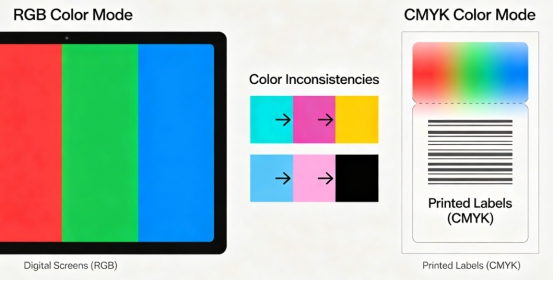
While RGB (Red, Green, Blue) is the standard for digital screens, CMYK (Cyan, Magenta, Yellow, Black) is strictly required for physical printing. If you print artwork made in RGB without changing it, colors tend to look faded or off from what you planned. This occurs because digital screens emit light (RGB), whereas physical print materials reflect light (CMYK). What you see on a display might not match the final print if you stick with RGB. Such mismatches can twist your brand’s image across various packages.
Switch your artwork to CMYK mode before you send files to the printer. This way, the screen view gets close to the printed outcome. Ask for printed samples or color samples to check before big runs. That lets you fix any differences right away. Team up with skilled suppliers who know prepress steps well. They can stop these tech problems from turning into pricey do-overs. Expert prepress reviews spot design issues early, before production starts.
Various surfaces like glass, plastic, or metal need certain adhesive kinds. These react in unique ways to weather factors. Heat, dampness, and storage setups all influence how well adhesives hold. Labels facing cold storage or wetness require tougher sticking power than those kept inside. Picking the incorrect adhesive results in labels that curl up or come loose. This makes items seem low-end or handled poorly. Both looks hurt D2C brands that aim for a high-end feel.
Figure out if your product surface is even, rough, or rounded before picking adhesives. Talk to suppliers about permanent or peel-off options based on needs. For example, use them for promo tags versus lasting brand marks. We can locate reliable factories in China that industry-leading manufacturers that focus entirely on production quality rather than marketing, with products from X Sourcing. Our team’s on-site checks or those from third parties make sure you partner with top suppliers. This approach guarantees you get materials proven tough in everyday use. You won’t just trust catalog details alone.

Labels that fail to fit machine specifications can lead to skewed placement or jamming during automated application. Wrong sizes or roll setups might stop the whole line until new ones show up. This delays key fulfillment steps in D2C setups, where quickness sets you apart. Such stops also raise costs from extra handwork and time wasted on fixing automated breaks.
Share your machine’s model and details with the label supplier from the start. Then, they can adjust roll sizes, core sizes, and the Roll Unwind Direction to match. The unwind direction is critical for ensuring that the labels are fed correctly and apply smoothly on the machine. Get sample rolls for testing before full printing. This confirms they apply straight at real running speeds. Keep watching the making phase closely. It keeps the team in the loop and aligned with the process flow. Such forward planning avoids gear mismatches, including issues with unwind direction, that mess up output speed for many product types.
Lamination guards labels against water, scratches, and sun rays. These things can blur print sharpness as time goes on. It enhances color vibrancy and extends the lifespan of the printed labels in high-traffic handling like beauty items or drinks. If you skip right lamination, labels lose color fast or rip during travel and use. This cuts the seen worth, even if the inside product stays good.
Gloss lamination gives a bright, upscale shine. It fits well for beauty products or drinks where display draw counts most. Matte lamination brings a smooth, elegant feel. It’s great for simple or green-focused packages that stress eco choices over showiness. Custom Packaging — Part of building a solid brand look is using tailored logos and wraps for your products. Picking finishes that match your brand’s style strengthens unity from online pics to real opening moments.
| Lamination Type | Finish | Best For | Benefits |
| Gloss Lamination | Shiny, reflective | Beauty products, drinks | Enhances shelf appeal, highlights product |
| Matte Lamination | Smooth, non-reflective | Eco-friendly products, simple packaging | Elegant look, eco-conscious appeal |
The bleed zone stops blank strips after cutting by stretching the design past the trim marks. “Failing to include a bleed can result in unprinted white borders or registration issues during the die-cutting process. For D2C brands seeking perfect show standards like those in stores, tiny errors in size hurt the pro image.
Keep at least 3mm bleed on every side of your design file. This is common for most print types. Check artwork placement twice before you submit the last files. Automated cutters rely on exact marks during large batches.

Seasoned suppliers grasp tech needs for materials and gear better than basic sellers. They spot issues ahead through strict checks before making. With our wide supplier links for sellers, we pair the best factories to your varied products and quality needs, with options from X Sourcing. Their know-how makes sure all factors—from ink stick tests to roll pull settings—get checked before big output. Our free storage for two months aids steady stock and cuts expenses. This full-process watch lowers risks from sudden design shifts. At the same time, it keeps supply chains smooth for large D2C shipping needs.
| Supplier Type | Key Features | Benefits for D2C Brands |
| Standard Suppliers | Basic services, minimal prepress checks | May lead to errors, lack of quality control |
| Expert Suppliers | In-depth checks, industry experience | Guaranteed quality, cost-effective options |
Don’t want to face costs from wrong labels? Send your designs to our skilled prepress group for a no-cost check! Your dedicated agent at X Sourcing will help with booking, language support, and possible factory trips. Through pro reviews supported by strong sourcing setups in China’s key making areas, X Sourcing offers sellers the top suppliers and items in quality and cost. Solid ties focused on exact labeling guard not just package strength but also your brand’s good name on every direct delivery to buyers around the world.
A: RGB works for digital screens with light emission, while CMYK suits printing on materials that reflect light. For D2C brands sourcing custom product labels, always convert to CMYK to avoid dull colors and ensure brand consistency.
A: The wrong adhesive can cause peeling or detachment on surfaces like glass or plastic, making products look unprofessional. D2C brands should select adhesives based on surface type and conditions to maintain durability and trust.
A: Lamination protects labels from moisture, scratches, and UV light, keeping colors vibrant and extending lifespan. For D2C brands, options like gloss or matte lamination enhance shelf appeal and align with brand image.
Roll unwind direction refers to the way the label roll is unwound during application. It matters because incorrect direction can cause misfeeds, leading to label misplacement and production delays on labeling machines.
The standard bleed for printing custom labels is typically 3mm on all sides. This ensures that the design extends beyond the trim line, preventing any unprinted edges after cutting.


