
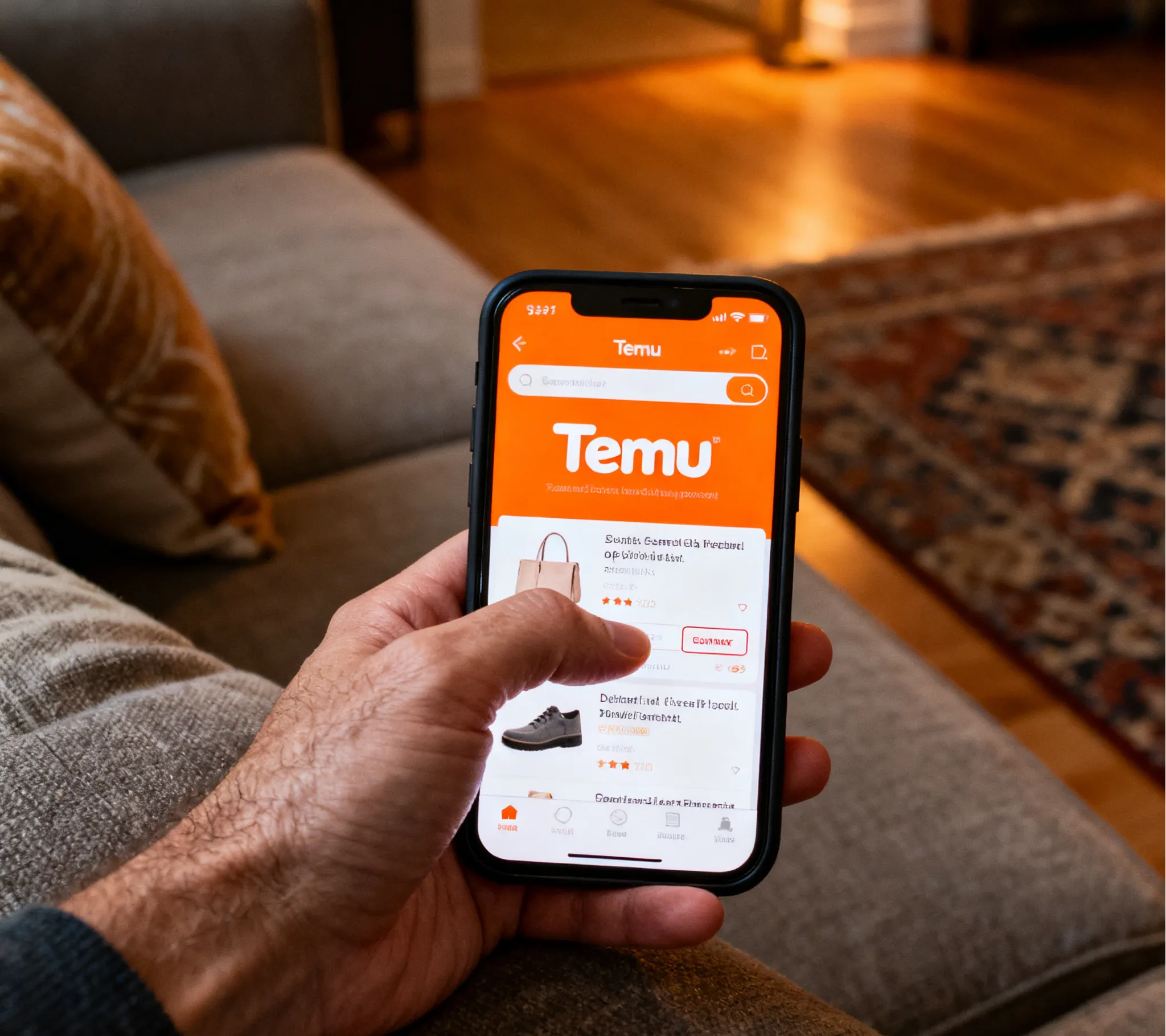
Return and refund rules are set guidelines that online shopping platforms use. They let buyers send back products and get their money back or store credit. These rules usually list requirements like the time limit for returns, the state of the product, and valid reasons for sending it back. Most sites ask that items come back in new condition, with labels attached, not used, and in the original box for a full refund. For instance, clothes or gadgets should show no signs of use or harm. Items related to personal care are often not returnable on major platforms.
A flexible return policy helps create trust between the site and the shopper. People feel more comfortable buying when they know they can easily send something back if it does not fit their needs. Temu, for example, gives a 90-day period for returns. This is much longer than the usual time frame. It acts as a way to build trust. On the other hand, sites like Amazon usually allow 30 days. They sometimes extend it for holiday buys.
The longer time on Temu makes it seem more buyer-friendly than stricter rivals. It gives shoppers a sense of security. This often leads to more sales.
These policies help keep things fair in deals. They protect buyers from faulty, broken, or wrongly described items. At the same time, they shield sellers from fake claims. For example, if a shopper gets damaged gadgets or clothes that do not match the description, they can start a return in the allowed time. This keeps balance and responsibility on both sides.
A clear and helpful return policy lowers the worry of buying online. Shoppers feel safer trying new items or sellers when returns are simple. This can lead to more repeat buys and loyal customers. Temu’s easy return rules help grow this trust well.
An easy return process adds a lot to happy shoppers and loyalty. On sites like SHEIN or big ones like Amazon, quick returns link directly to good reviews and how people see the brand. Temu’s free first return for each order brings extra ease. This helps create good experiences for users.
A well-written and easy-to-find return policy avoids confusion and arguments. Platforms differ in how clear they are. For example, AliExpress often lets sellers decide, so it can be unpredictable for buyers. Temu’s rules are laid out plainly. They cover time limits, who pays costs, and what is excluded. This cuts down on issues during returns.
Temu gives a much longer period—90 days from buy or delivery. This lets buyers have plenty of time to check products. By comparison:
Temu stands out with its consistent 90-day rule for all orders. This reduces confusion and attracts careful shoppers.
Who pays for shipping often decides if buyers actually return items:
Temu’s way of paying for the first return per order removes a big hurdle for shoppers. This is helpful for cheap items where shipping might cost more than the product. This is especially useful for Amazon sellers testing Temu-like low-cost products from China suppliers before scaling up—if you’re sourcing in bulk for FBA, services like X Sourcing can handle direct factory procurement, quality checks, and FBA prep to minimize trial-and-error returns altogether.
Some platforms now refund certain orders without needing the product returned:
Temu’s options here match buyer-focused sites like Amazon and AliExpress. It allows quick fixes and builds goodwill.
Every platform has groups of products not eligible for returns. Common ones include:
Temu notes that worn clothes, opened electronic add-ons like earbuds, and products labeled “non-returnable” at buy time do not qualify. Amazon excludes perishables and digital items. SHEIN limits underwear and swimwear. AliExpress follows seller rules. eBay changes by category. Wish restricts hygiene products too. Knowing these helps buyers decide wisely on sensitive or sale items.
The time and way refunds arrive affect how happy customers are:
Refunds go back to the original payment or site wallet based on rules. Sites like Temu also give wallet credits for quick reuse on new buys—a nice choice for regular shoppers. Holiday extensions—like Amazon’s to January 31—are usual but differ by eligibility and type.

Temu sets itself apart in the busy online shopping world with its very buyer-friendly return time, free first return per order, options for refunds without returns in some cases, and clear lists of non-returnable items. These aspects together make it an easy choice for shoppers who worry about risks.
For people who want longer time to decide and less hassle on returns—especially for low-cost buys—Temu has clear edges over sites like Amazon or SHEIN. But for expensive gadgets or seller support, more organized options on Amazon or eBay might suit better. For Amazon FBA sellers using Temu to find trends or test small quantities before direct China sourcing, pairing it with a reliable agent like X Sourcing streamlines scaling— we offer factory audits, order consolidation, free 2-month storage, and FBA shipping to cut risks and costs.
To make returns on Temu smooth:
A: Temu provides a helpful 90-day return period for most products. It starts from the purchase date. This gives plenty of time to check items.
A: Yes. Temu offers one free return per order. More returns in the same order might have a fee (around $7.99) taken from the refund.
A: In some low-value or certain cases, Temu might give refunds without needing the product returned. This adds more options.
A: Temu’s usual 90-day period and one free return per order are highlights. Amazon typically has 30 days (with holiday extensions) and changing free return rules.


