

Prototype development services play a key role in today’s fast-moving product world. They enable teams to quickly transform concepts into functional prototypes. This helps spot problems with how a product works or feels before full production starts. Teams can fix issues early and avoid big changes later. Using standard prototyping stages such as PoC (Proof of Concept), EVT (Engineering Verification Test), and DVT (Design Verification Test) ensures all stakeholders—designers, engineers, and product managers—are aligned and share a clear understanding of the product throughout the development process.
Prototyping lowers risks before a product hits the market. Teams build working models and test them in real conditions. They iterate on multiple design versions and resolve functional or structural issues. This builds trust with investors because it shows the idea can work. Tests check ease of use and safety rules. The final item then matches what users want. In the end, these steps lead to a smoother launch.

Our approach to prototyping the product is structured through the different prototyping stages of PoC / EVT / DVT in order to efficiently use the time and funds at your disposal. This type of prototyping is effective in avoiding unnecessary expenses for the materials, in identifying mistakes in the design and/or functionality of the product before the start of production, and in shortening the development cycles. Any mistakes or weaknesses can be corrected early on before the production tool is made, thus not incurring losses. Prototyping is particularly effective for products that are made of electronics or that are part of the medical device development field.
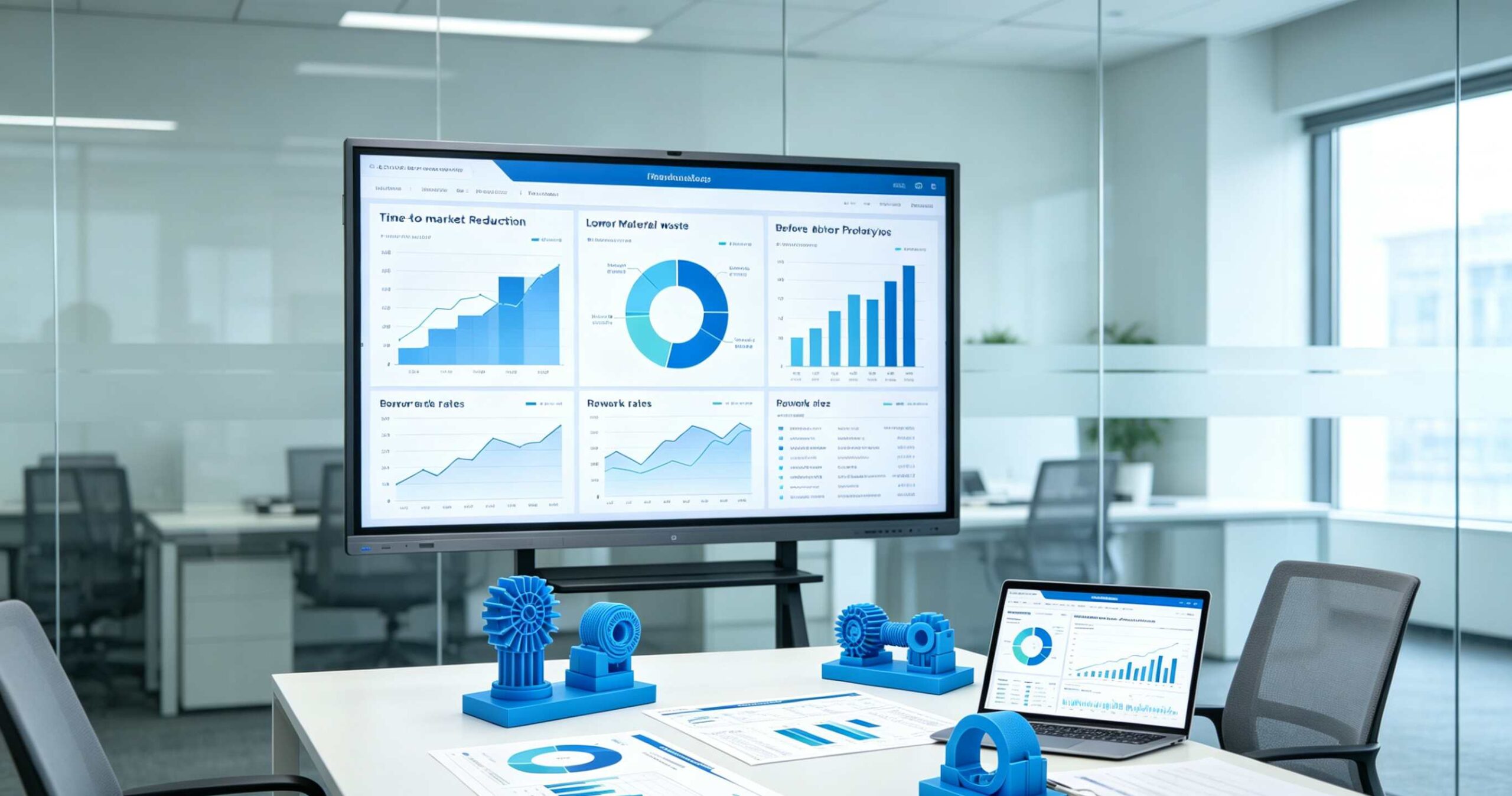
You can track the value of product prototyping services with clear numbers. Look at less rework, quicker timelines, and better results after launch. Tests give solid data that shows strength and user fit. This draws in backers. Better designs mean fewer fixes once sales begin. Each run then gives steady returns.
| Metric | Before Prototyping | After Prototyping |
| Rework Rate | 25% | 5% |
| Average Time to Market | 12 weeks | 6 weeks |
| Material Waste | 15% | 3% |
Teams use skills in CAD work, 3D printing, CNC cuts, and system checks. They bring together moving parts, circuits, and code for full tests. Material checks keep items safe and lasting across different uses.
Digital copies now let teams test designs on screen first. Tools show how parts hold up under heat or pressure. This cuts the need for many physical trials and makes the final shape stronger.
Layered build methods speed up each round without big setup costs. CNC work adds tight fits for parts used in planes or cars.
X Sourcing finds items from partner plants and shares updates in two days. The group mixes engineering know-how with large-scale output to move from idea to ready state. Submit an initial concept or detailed design. X Sourcing will help bring it to buyers. Comprehensive support ensures clear communication from prototype to final delivery. Clients stay in the loop and keep plans flexible.

One contact handles the full China sourcing flow. This cuts gaps between design changes and keeps all sides updated during each round.
Checks happen at many stages to ensure each lot meets standards. Size and function tests run on every model. Ongoing reviews hold quality steady so each item matches factory-level accuracy.
AI now helps improve designs by using past data to guide choices. Smart models with connected sensors gather live use data. Teams can adjust performance parameters in real time based on collected data.
Green choices now guide product prototyping services. Firms pick break-down materials and low-power methods to meet world climate aims.
Designs facilitate disassembly and component reuse at the end of the product lifecycle. This fits goals for less waste in many sectors.

A: Product prototype development services create early versions of an item. These versions check how well it works and sells before large runs start. They cut risk and speed up new ideas through quick checks.
A: Prices change with detail level, chosen materials, and methods like 3D printing or CNC work. X Sourcing helps keep costs down by using resources well and offering flexible output choices.
A: Car makers, gadget firms, plane builders, health tool makers, and factory equipment groups gain the most. They all need exact checks on new designs.
A: Time needed depends on project size. Basic models may finish in days. Full systems with many tests can take weeks or months.
A: X Sourcing gives full help from design to output. The mix of skill and modern tools delivers solid results on time and within budget. All steps stay clear to the client.
A: Visual prototypes show appearance and design without working functions, while functional prototypes operate and test real features, validating usability and engineering before production.
A: Functional prototypes are tested and optimized, then converted into precise molds. After pilot runs validate quality and dimensions, the design moves to full-scale injection molding for mass production.


