Qingdao Port Logistics Guide: Sea, Rail, and Road Access for International Shipments
15/01/2026
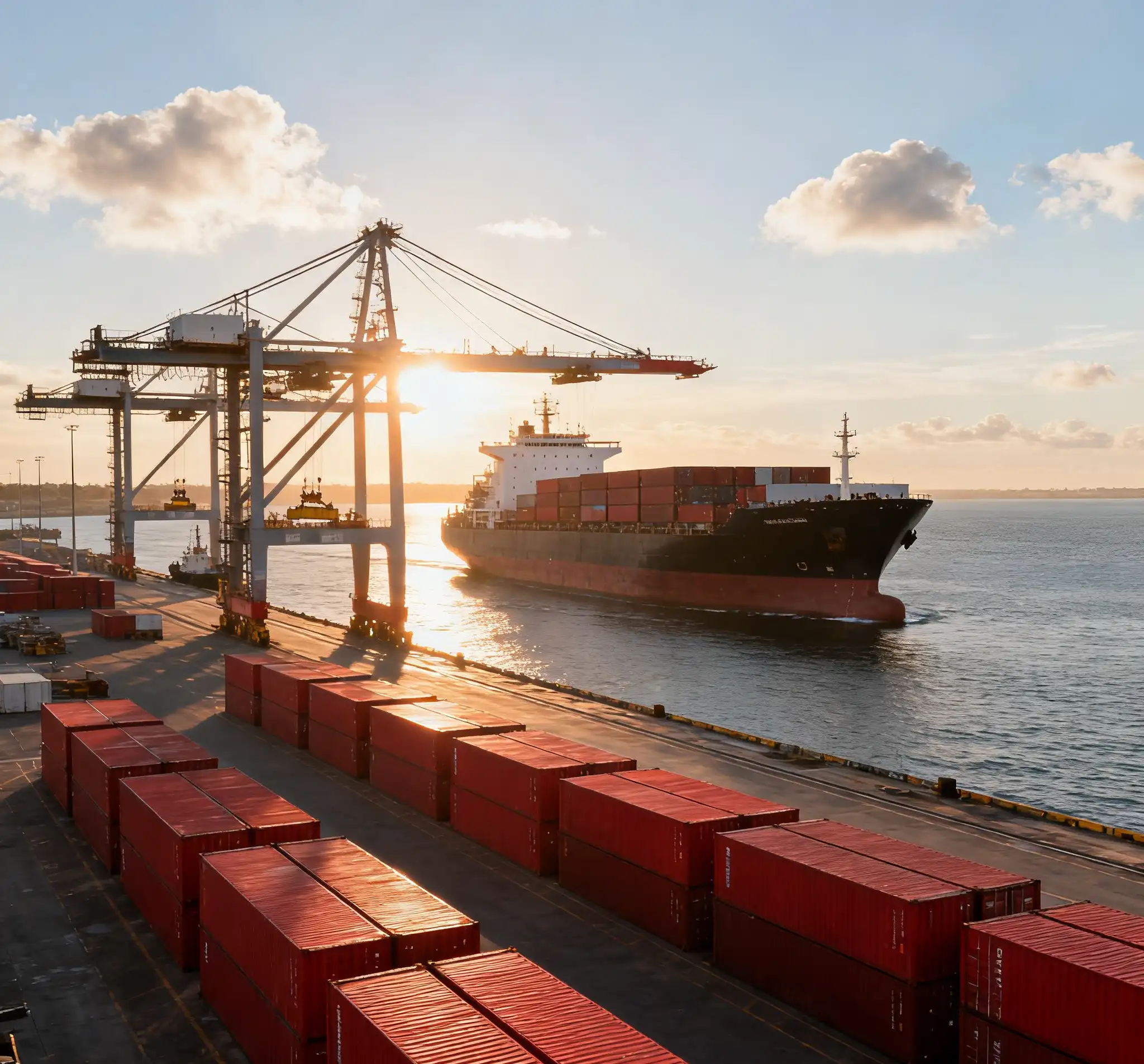
Qingdao Port sits on China’s eastern coast in Shandong Province. It acts as a key entry point for sea trade. The port also functions as a lively center for combined transport methods. It ranks among the world’s ten most active ports for cargo volume. Each year, it manages more than 600 million tons. Its position across the Yellow Sea from Korea and Japan makes it a busy spot for Northeast Asian business and worldwide shipping paths.
The port shines in blending sea, rail, and road transport. It provides smooth links between ocean imports and exports and inner markets. These include areas in Central Asia and Europe. Thanks to deep-water docks, automatic terminals, and straight rail connections to China-Europe freight routes, Qingdao Port holds an important spot in China’s Belt and Road Initiative (BRI). It helps move goods across continents in a smooth and affordable way.
Why Qingdao Port Stands Out in Combined Transport for Worldwide Business
Great location on China’s east shore facing main transpacific and intra-Asia trade paths.
Large handling power with wide container and bulk setup.
Part of the Belt and Road Initiative with emphasis on sea-rail mixed solutions.
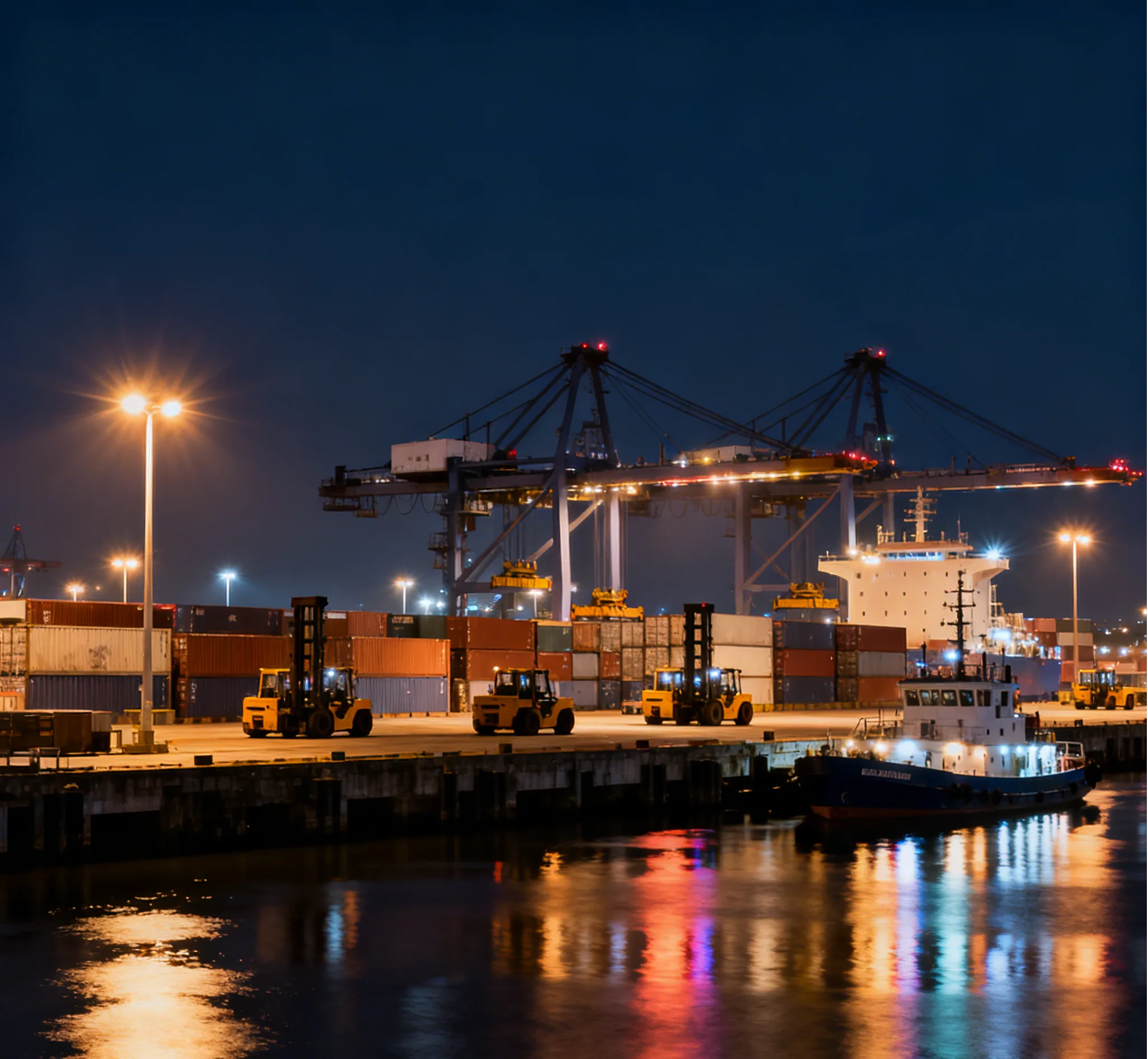
Modern setup including automatic container docks and dockside rail options.
Solid links through fast roads and main highways to inner production areas.
1. Strategic Importance of Qingdao Port as a Combined Transport Center
Qingdao Port works as an essential combined logistics center. It joins global sea paths with local railroads and roads. This blend allows quick movement of items from world markets to inner China and back. The port’s setup aids easy shifts between sea, rail, and road. As a result, it cuts wait times and improves supply chain steadiness for global senders.
Key Advantages of Qingdao Port for Combined Transport
Central Spot on China’s Eastern Coast
Situated in Shandong Peninsula, it gives close reach to Beijing-Tianjin-Hebei business areas.
Simple entry to sea FBA shipping paths linking Japan,South Korea, Southeast Asia, and the Americas.
Deep-Water Port Setup
It hosts big container ships and bulk carriers due to deep-water docks.
It can deal with huge ships over 200,000 DWT well.
Key Link in the Belt and Road Initiative (BRI) with Sea-Rail Focus
It serves as a shore base in BRI’s Maritime Silk Road.
Sea-rail mixed transport links right to Central Asia and Europe through the China-Europe Railway Express.
Extensive Road and Highway Network
Direct entry to national fast roads like the Jinan-Qingdao Expressway.
Connections to inner areas like Henan, Shanxi, and Hebei for local spread.
Strong Inland Manufacturing and Distribution Base
Close to factory groups in Shandong and nearby areas, which keeps cargo flow steady.
It backs supply lines for car, electronics, farm, and online sales fields.
Why Qingdao Port is a Top Pick for Combined Trade
Large yearly handling power for various cargo kinds.
Smooth blend of sea, rail, and road systems.
Cut travel times via modern mixed terminals.
2. Major Terminals and Facilities at Qingdao Port
Qingdao Port includes several focused terminals. These are built to handle different cargo types and aid combined transport. From automatic container docks to bulk spots with on-site rail entry, these areas are made for speed and size.
Key Terminals at Qingdao Port
Terminal Name Primary Function Multimodal Features
Qianwan Container Terminal Container cargo On-dock rail, automated handling
New Qianwan Automated Terminal Smart container operations Driverless vehicles, smart cranes
Dongjiakou Bulk Terminal Bulk commodities Rail access for minerals & coal
Dagang General Cargo Terminal Mixed-use/general cargo Adjacent road access
Ore Terminal Iron ore import/export Dedicated rail spur lines
Detailed Terminal Descriptions
Qianwan Container Terminal
It is one of Asia’s most active container docks.
It has on-dock rail that allows direct loading to rail cas.
It aids quick transfer for both local and global cargo.
New Qianwan Automated Terminal
This full automatic terminal uses AGVs (automated guided vehicles) and smart systems.
It lowers mistakes by people and boosts handling speed a lot.
Dongjiakou Bulk Hub
It is set up for big amounts of coal, ore, grain, and oil.
Rail lines link straight to northern Chinese steel plants and energy spots.
Dagang General Cargo Terminal
It manages project cargo, breakbulk, and roll-on/roll-off (RoRo) goods.
Its nearness to city fast roads ensures fast inner delivery.
Ore Terminal
It focuses on iron ore imports for Chinese steel makers.
Direct rail links cut unloading time and truck costs.
Why Qingdao’s Terminals Support Efficient Combined Operations
Automatic steps shorten handling time per container or ton.
3. Sea Freight Routes & International Shipping Connections
Qingdao Port acts as a main point in global sea freight webs. It links over 700 ports in more than 180 countries. These world paths are closely tied to inner logistics through rail starts in the port zone.
Estimated Sea Freight Transit Times from Qingdao Port
Destination Mode Average Transit Time
Los Angeles Sea 13–15 days
Rotterdam Sea 28–30 days
Dubai Sea 18–20 days
Singapore Sea 5–6 days
Busan Sea 1–2 days
Main Sea Trade Lanes & Global Reach
North America
Major ports: Los Angeles, Long Beach, Vancouver.
Cargo types: Electronics, textiles, machinery.
Transfer via inner rail to U.S. Midwest is possible.
Europe
Major ports: Rotterdam, Hamburg, Antwerp.
Links to Europe via Suez Canal or through China-Europe Railway blend.
Growing use of sea-rail for time-key goods.
Middle East
Major ports: Jebel Ali (Dubai), Dammam.
Bulk items and consumer electronics lead shipments.
Asia-Pacific
Major ports: Busan, Tokyo, Jakarta.
Regular feeder services and short-sea shipping improve
area coverage.
Why Qingdao Port Stands Out in Sea Freight Links
Busy weekly sailings by big carriers.
Deep-sea dock power hosts very large ships.
Ties with land routes for quicker inner transport.
4. Rail and Sea-Rail Combined Transport from Qingdao
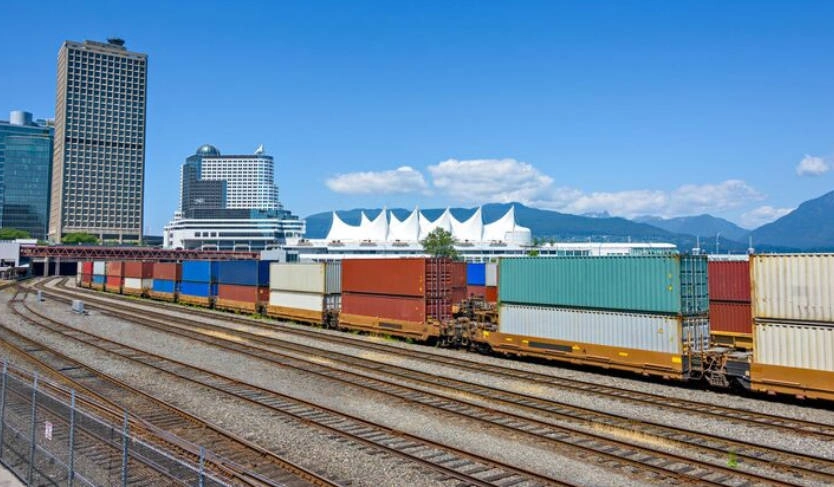
Qingdao’s rail setup is key to its role in combined logistics. The port is a main start for the China-Europe Railway Express. It connects straight with cities in Central Asia and Europe. Sea-rail mixed solutions shorten travel times over just sea transport. At the same time, they keep costs low.
Key Rail Connections and Sea-Rail Routes
Route Destination Regions Cargo Volume Highlights
Qingdao–Almaty Central Asia Consumer goods, machinery
Qingdao–Hamburg (via Khorgos) Europe E-commerce goods, electronics
Qingdao–Xi’an–Chengdu Inland China Raw materials, semi-finished goods
Detailed Rail Transport Options
China-Europe Railway Express via Qingdao
It joins Qingdao with European centers like Hamburg and Duisburg via Khorgos border.
Travel time averages 18–22 days. This is quicker than sea but less costly than air.
Domestic Sea-Rail Combined to Inland Cities
Feeder trains from Qingdao get to Xi’an, Zhengzhou, and Chengdu in 2–5 days.
It suits online sales centers in inner areas.
Connections to Japan/South Korea via Transfer
Mixed sea-to-sea services use Qingdao as a transfer center for short trips to Busan or Osaka.
Blended customs steps speed up border checks.
Benefits of Sea-Rail Combined from Qingdao
Lower shipping costs than air for border shipments.
Shorter travel times than usual ocean freight for European spots.
Less carbon output aids green transport goals.
5. Road and Highway Access for Inland Distribution
The road system from Qingdao Port spreads to northern China. It aids local sharing. Trucks play a vital part in final delivery from mixed hubs or terminals to end spots in factory zones or online warehouses.
Major Highway Connections from Qingdao Port
Highway Name Connected Regions
Jinan-Qingdao Expressway Links to capital city Jinan
National Route G20 Connects Beijing–Shanghai corridor
National Route G22 Connects Hebei & Henan provinces
Road Transport Advantages
High Trucking Efficiency
Modern highways cut transport time between port and inner cities.
Wide Inland Reach
It backs door-to-door deliveries across Shandong, Hebei, and Henan areas.
Seamless Integration with Rail/Sea
Truck transfer spots are at main mixed yards near port gates.
Why Road Access Boosts Qingdao’s Logistics
Great flexibility aids small or frequent shipments.
It allows sharing to spots without direct rail.
6. Combined Transport Options: Comparing Sea, Rail, and Road
The right mode depends on shipment need, cost care, cargo kind, and end reach. Qingdao Port gives firms the choice to pick the best mixes for their supply plan.
Comparison of Sea, Rail, and Road Freight from Qingdao
Mode Best Use Case Transit Time Cost Level Typical Cargo Types
Sea Long-distance international shipping 10–30 days Low Containers, bulk cargo
Rail Inland or cross-border urgent cargo 5–22 days Medium Electronics, auto parts
Road Regional distribution 1–5 days High FMCG, e-commerce parcels
When to Choose Sea vs. Rail vs. Road vs. Combined Multimodal
Criteria Recommended Mode
Cost Sensitivity Sea
Speed Required Rail or Road
Heavy Cargo Sea or Rail
Green Logistics Rail (lower emissions)
Complex Routes Combined Sea-Rail-Road
Benefits of Combined Logistics from Qingdao
Flexible choices fit customer wants.
Balanced cost and speed for better results.
7. Final Thoughts: Why Choose Qingdao Port for Your Logistics Needs?
Qingdao Port shows as a top logistics center thanks to its strong combined skills. It gives world links through modern sea freight. It also backs inner sharing via fast rail and road webs.
Key Reasons to Choose Qingdao Port:
Smooth blend of sea, rail, and road modes improves supply chain speed.
Smart location increases entry to world markets in Asia-Pacific, Europe, and North America.
Automatic terminals ensure quick cargo work and less wait times.
Affordable mixed choices back different business ways—from Amazon FBA sellers to bulk item traders.
Shipments can be done in bulk. This saves you from extra shipping fees and holdups. It makes sure packages reach the spot on time, every time.
For people importing or exporting worldwide, working with a skilled overseas product sourcing agent like X Sourcing makes things better. X Sourcing provides full services. This covers checking suppliers, quality checks, grouping loads, customs help, and best shipping through Qingdao. It brings cost cuts, lower risks, and on-time arrivals for bulk buys, e-commerce needs, or special cargo.
FAQ
Q: What is the annual cargo throughput of Qingdao Port?
A: Qingdao Port handles over 700 million tons of cargo annually. This makes it one of the world’s busiest ports and a key hub for international trade.
Q: How long does sea freight take from Qingdao Port to major destinations?
A: Typical transit times include 13–16 days to Los Angeles (North America). It takes 30–38 days to Rotterdam or Hamburg (Europe). And it is 18–20 days to Dubai (Middle East).