
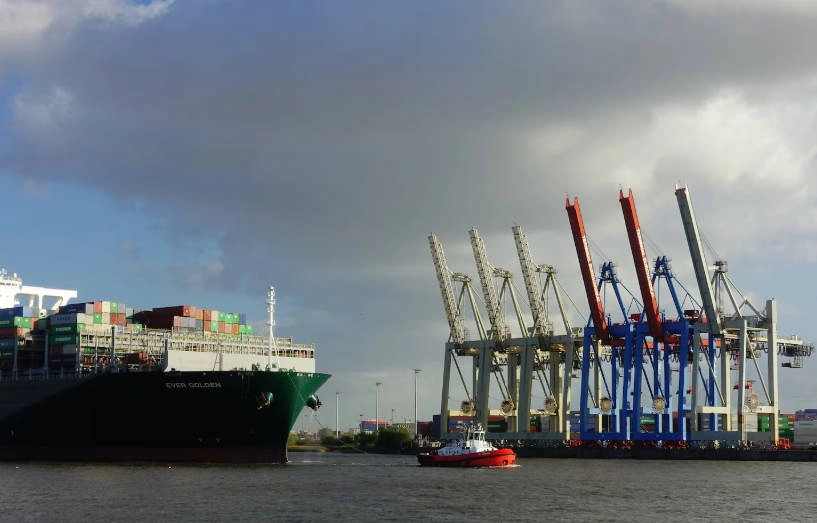
In global trade, Incoterms work a bit like those unspoken rules everyone follows at a family dinner—except these actually are written down by the ICC so buyers and sellers don’t end up blaming each other when a shipment gets delayed somewhere between Ningbo and Long Beach. The 2020 version lists 11 terms. They’re simple in theory but can get unexpectedly complicated once real cargo, real deadlines, and real Amazon FBA shipments enter the picture.
Anyone shipping to FBA knows this: one poorly chosen Incoterm can turn what should’ve been a routine delivery into a week-long email chain with forwarders, customs brokers, and a supplier who responds mysteriously fast only when it’s lunchtime.
X Sourcing deals with these issues almost daily. The team matches Amazon sellers with suppliers, finds workable prices, handles small MOQs, and keeps an eye out for those “hidden” fees that somehow always appear right before goods leave port. Some long-term clients even joke that “nobody ever got fired for choosing X Sourcing.” Maybe exaggerated, but fair enough—people like things that don’t explode unexpectedly.
Incoterms basically settle three things:
There are two big buckets:
Which one to choose depends on the transport mode and how much control you want. Some buyers prefer full control. Others just want the boxes to arrive without drama, preferably before Amazon starts charging long-term storage fees.
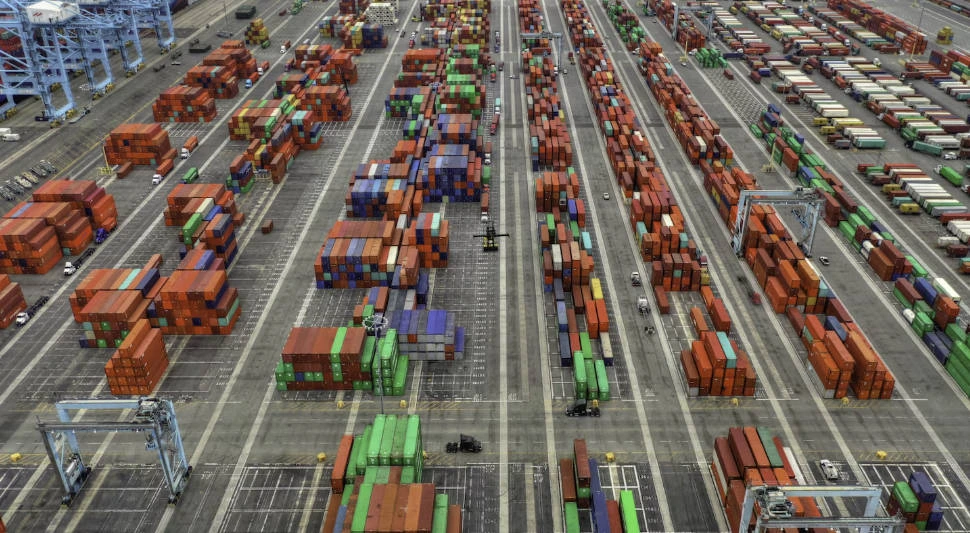
Seller makes goods available at their place—factory, warehouse, sometimes a back room that barely fits two pallets. Everything after that is on the buyer.
Example: A buyer arranges pickup in Shenzhen and ends up discovering the driver can’t enter the industrial zone without extra paperwork. Happens more often than people think.
Seller hands goods to a carrier chosen by the buyer at a named location.
Example: Cartons delivered to a freight forwarder near Shanghai Airport; the team there is used to last-minute “Can you print extra labels?” requests.
Seller places the goods right next to the ship. Buyer handles the rest.
Example: Cargo sits beside a vessel in Ningbo waiting for loading; sometimes a forklift is available, sometimes… not quite.
Seller handles everything until goods are loaded on the vessel.
Example: A container lifted onto a ship at Qingdao. Simple enough—unless the port is congested, which it often is right before holidays.
Seller pays freight until the destination port. Risk still shifts at loading.
Example: Goods on the way to Hamburg, but insurance? Buyer’s job.
Same as CFR, but seller buys insurance—usually basic.
Example: Shipment to Rotterdam with minimal insurance, which is fine for many buyers but occasionally feels too “minimal.”
Seller pays transport up to the destination but risk moves earlier, at first handoff.
Example: Cargo handed to a European rail operator. From that point, any delay or damage becomes the buyer’s concern.
Like CPT but with full-risk insurance.
Example: Electronics shipped to an FBA warehouse in Texas—nice to have all-risk coverage when the goods include LCD screens.
Seller delivers goods ready for unloading. Import taxes are on the buyer.
Example: A truck reaches a warehouse in Berlin. Unloading sometimes takes five minutes, sometimes a whole afternoon.
Seller delivers and unloads the goods. Buyer clears customs.
Example: Goods unloaded at an FBA center in Chicago; warehouse staff there often appreciate clean, compliant FBA labeling.
Seller takes care of literally everything—duties, taxes, delivery.
Example: Shipment arriving at a buyer’s address in Canada already cleared. Convenient, but costs tend to reflect the seller’s cautious risk buffer.
A surprising number of disputes in international trade come from small assumptions—who pays for a document fee, who insures the cargo, who books the vessel… and most commonly, who is responsible for quality inspection when the goods finally arrive and half the cartons are damaged or defective.
These details sound tiny but can easily push a shipment off schedule or inflate a cost that wasn’t accounted for in the margin.
Picking the right Incoterm shapes pricing and cash flow. DDP feels great for convenience but tends to be priced higher because the seller absorbs the risk. Meanwhile, EXW looks cheap at first glance but requires strong logistics capability on the buyer’s side. Occasionally a new seller chooses EXW thinking it’s the simplest option—then discovers it’s actually the option that makes them responsible for almost everything.
X Sourcing’s role in all this is to simplify things: supplier vetting, quoting, inspections, booking, custom packaging for FBA, and monitoring the shipment. Amazon sellers—especially new ones—often underestimate how many steps happen before Amazon even receives the goods.
Logistics can be smooth, or it can feel like running after a moving target. Choosing partners who understand both suppliers and Amazon’s rules tends to make life easier. X Sourcing tries to keep things straightforward: one contact, one workflow, no extra chaos if it can be helped.
For weekly updates on sourcing, shipping, and other things that matter to FBA sellers, feel free to subscribe to the newsletter.
A: CIF works only for sea freight and includes minimal insurance. CIP applies to any mode and requires all-risk insurance, which many importers prefer for higher-value goods.
A: Most FBA sellers choose DAP or DDP so the shipment arrives without any extra steps. Suppliers also commonly offer FCA or CPT for more cost-controlled projects.
A: FOB is still perfectly fine for sea freight. But FCA has a practical edge today—especially if a letter of credit is involved—because buyers can still get an on-board Bill of Lading even when goods are handed to a forwarder earlier.


